Using Bubble 3D Font for Creative Branding and Design Projects
Bubble 3D for Logo Design and Brand Identity
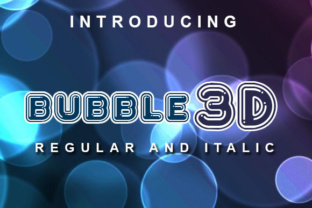
As a graphic designer working on a branding project for a small, local café, I started with a blank mood board and a clear goal: create a visual identity that feels warm, inviting, and just a little playful. Bubble 3D immediately caught my eye — a display font that brings a soft, rounded personality to the brand. As a bubble-style font, it’s perfect for branding where approachability and charm are key. I tested it first in the logo design, placing it over a simple coffee cup illustration. The result? Instantly friendly and recognizable. Bubble 3D helped the café’s brand feel more personable without sacrificing professionalism.
Bubble 3D for Packaging Design and Product Labels
When it came to packaging design, I wanted the café’s to-go cups and pastry bags to stand out on shelves while maintaining a cohesive look. Bubble 3D, as a display font, worked beautifully on product labels and packaging mockups. Its bold, rounded letterforms translated well to both small stickers and larger banners. I found that using Bubble 3D for short-form text like product names or taglines gave the packaging a youthful, modern edge. It was especially effective when paired with a clean sans serif font for descriptions and ingredient lists. The contrast helped guide the eye and reinforced the brand’s visual hierarchy.
Bubble 3D for Social Media Graphics and Digital Marketing
For the café’s social media presence, I knew the font would need to perform across platforms like Instagram, Facebook, and Pinterest. Bubble 3D, as a bold and highly readable display font, proved to be a strong choice for headlines and promotional graphics. I used it in carousel posts for seasonal drink launches and event announcements. The font’s rounded edges gave the visuals a soft, approachable tone, which aligned perfectly with the café’s cozy aesthetic. I also noticed that when used in website headers and hero sections, Bubble 3D helped establish a strong first impression — a key factor in digital branding and user engagement.
Bubble 3D for Print Materials and Merchandise Design
From business cards to posters, Bubble 3D delivered a consistent and memorable brand voice across all printed materials. On posters for live music nights and community events, the font’s bubbly structure gave the designs a lively, upbeat feel. For business cards, I opted to use Bubble 3D sparingly — only for the café’s name — while keeping the rest of the contact info in a minimalist sans serif. This contrast created a clean, modern layout that still felt cohesive. When designing t-shirts for staff and special promotions, Bubble 3D held up well in screen printing mockups, maintaining clarity and impact even at smaller sizes.
Bubble 3D for Editorial Design and Visual Branding
While working on the café’s menu and newsletter templates, I explored Bubble 3D’s flexibility in editorial design. As a display font, it’s best suited for headlines and short bursts of text rather than long paragraphs. That said, using it creatively in section headers and call-out quotes helped break up content and added visual interest. I also tested Bubble 3D in a few different weights and found that the bolder variations worked best for print, while lighter versions were more suitable for digital layouts with white backgrounds. This adaptability made it a versatile asset in the overall brand toolkit.
Font Pairing Tips with Bubble 3D
One of the most important aspects of using Bubble 3D effectively was finding the right font pairings. Since it’s a bold, rounded display font, pairing it with something more structured helped balance the overall design. I often combined Bubble 3D with a clean sans serif like Montserrat or Open Sans for body text and navigation menus. For more elegant touches — such as event invitations or special promotions — I experimented with script fonts and found that a soft, handwritten style complemented Bubble 3D’s bubbly aesthetic. The key was to ensure legibility while enhancing the brand’s personality through thoughtful typography choices.
Practical Tips for Using Bubble 3D in Client Projects
If you’re considering Bubble 3D for your next branding or design project, here are a few practical tips from my experience. First, always test the font in multiple contexts — from digital to print — before finalizing your brand system. Bubble 3D works best as a headline or accent font, so avoid using it for long-form content. Second, check if the font includes alternate characters, ligatures, or multilingual support, especially if your project has international reach or requires stylistic flexibility. Finally, ensure the font license allows for commercial use, particularly when designing for clients who may need to use it across merchandise, packaging, or advertising materials.