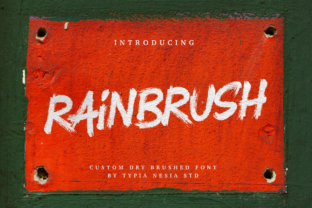
RainBrush: A Textured Display Font for Handmade Designers and Creative Sellers
RainBrush in Action: Designing a Candle Label with Character
As a candle maker who values both aesthetics and clarity, I recently tested RainBrush while designing a new line of soy candle labels. Right away, I noticed how the textured dry brushed style of RainBrush brought a tactile, artisanal feel to the packaging. It’s not just another display font — it’s a font that tells a story. The soft imperfections in each letter mimicked the organic nature of the soy wax and cotton wick inside, creating a cohesive brand experience before the customer even opens the jar.
RainBrush for Wedding Invitations and Elegant Branding
When I was approached to design a set of minimalist wedding invitations with a rustic twist, I reached for RainBrush again. Used for the couple’s names and event date, the font added a touch of warmth and personality without overpowering the clean layout. Because RainBrush is a display font, it’s best reserved for titles and short phrases, which makes it perfect for formal names and event details. I paired it with a simple sans serif for the body text, and the contrast elevated the entire design. It worked beautifully on both digital proofing and printed samples, especially on textured cardstock.
Using RainBrush for Boutique Packaging and Product Tags
One of my favorite ways to use RainBrush is in boutique-style packaging. Whether it’s a kraft paper tag for a handmade soap bar or a swing tag on a linen tote, this font adds a handcrafted charm that feels intentional. Because of its textured brush strokes, RainBrush works best when printed at a medium to large size — ideal for product tags where you want to highlight a name or short description, not for tiny barcode labels or detailed ingredient lists. It’s a commercial font that holds up well in both print and digital formats, making it versatile for Etsy sellers and small batch makers.
Readability Tips for Cricut and Silhouette Users
If you're using cutting machines like a Cricut or Silhouette, I recommend testing RainBrush at different sizes before committing to your final design. At smaller sizes (under 0.5 inches), the texture can blur or lose definition, especially in vinyl or iron-on materials. For best results, use it at 1 inch or larger when precision matters — like on mason jar labels or custom mug decals. The font includes multiple file formats, so I had no trouble importing it into both Cricut Design Space and Silhouette Studio without any distortion.
Pairing RainBrush with Clean Fonts for Balanced Layouts
One of the most satisfying aspects of working with RainBrush is how well it pairs with other fonts. Since it’s a decorative, textured display font, I often combine it with a sleek sans serif or a classic serif for contrast. For example, in a line of printable wall art I created for a farmhouse-themed shop, I used RainBrush for the main quote and a soft serif for the attribution line underneath. The result was both stylish and readable, with a modern rustic vibe that felt cohesive and professional.
What RainBrush Works Best — and Worst — For
Let’s be honest: RainBrush isn’t for every project. It shines brightest in short, impactful text — think signage, product names, greeting card titles, and digital download previews. It’s not ideal for long paragraphs, technical instructions, or detailed product descriptions. If you’re designing a planner page with lots of small text boxes, stick to a clean font for the body and save RainBrush for section headers or decorative accents. The same goes for digital templates: use it where you want to draw the eye, not where clarity and density are key.
Why RainBrush is a Valuable Addition to Your Font Collection
As a creative who regularly designs for both print and digital use, I’ve found RainBrush to be a reliable go-to in my font library. Whether I’m preparing a seasonal product line for a holiday market or crafting a digital mockup for a client, this display font consistently adds a stylish punch. It’s versatile across materials — from stickers and cards to tote bags and SVG files — and works beautifully in both personal and commercial design projects. Just remember to check the font’s licensing terms before using it in templates or printables you plan to sell.