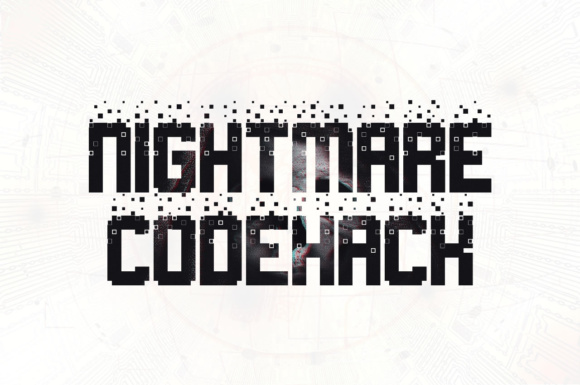
Nightmare Codehack: A Retro Display Font for Bold Branding
Nightmare Codehack and the Retro Revival in Small Business Design
As a creative consultant working with small brands, I’ve seen how the right font can transform a forgettable visual into a memorable brand asset. Nightmare Codehack is a display font that channels a retro digital vibe, perfect for businesses aiming to stand out with a nostalgic yet modern aesthetic. Whether you're printing product tags, designing a café menu, or updating your Instagram templates, this font brings a unique edge that’s both playful and professional.
Recently, I worked with a local candle maker looking to refresh her packaging. She wanted something that felt handmade but still premium. Nightmare Codehack provided the perfect balance. Its pixel-inspired design gave the labels a vintage computer aesthetic without looking outdated. It’s this kind of thoughtful typography that helps small businesses connect with customers through visual storytelling.
How Nightmare Codehack Elevates Product Packaging and Labels
When you're a small business owner, every detail counts—especially packaging. Nightmare Codehack shines brightest when used for product labels, packaging titles, and boutique tags. The font’s bold structure and retro flair make it ideal for short, impactful text like brand names, scent names on candle jars, or flavor tags on bakery boxes.
One of the most important aspects of packaging is readability, and Nightmare Codehack handles that well when used at the right size. It’s not a font for long paragraphs, but it commands attention when used for headlines and accents. For example, a skincare brand I consulted for used Nightmare Codehack on their limited-edition serum label. It gave the product a vintage tech feel, which aligned perfectly with their minimalist yet futuristic branding.
Using Nightmare Codehack in Menu Design and Café Branding
A local café recently reached out to me about redesigning their menu. They wanted something that felt fresh but still had character. Nightmare Codehack was a surprising but effective choice. We used it sparingly for section headers—like “Cold Brews” and “Pastries of the Day.” The font added a quirky charm without compromising legibility.
Because it’s a display font, Nightmare Codehack works best when paired with a clean, readable typeface. We used a simple sans serif for the descriptions and prices, which created a balanced, modern look. This kind of thoughtful font pairing is essential for small businesses looking to build a consistent and professional brand identity across both print and digital materials.
Why Nightmare Codehack Works for Social Media and Web Graphics
In today’s digital-first world, your brand needs to look just as sharp online as it does in print. Nightmare Codehack translates beautifully to social media graphics, online shop banners, and digital ads. Its pixelated edges and strong character shapes make it instantly recognizable—even at a glance on a mobile screen.
I recently helped an online boutique update their Instagram templates. We used Nightmare Codehack for the main headlines on their seasonal sale posts. The font gave the visuals a retro video game vibe, which resonated with their Gen Z audience. It stood out in the feed without clashing with the product photos, proving that the right display font can elevate your digital presence.
Font Pairing and Practical Tips for Using Nightmare Codehack
Typography is about contrast and harmony. Since Nightmare Codehack is bold and stylized, it pairs best with simpler fonts. A clean sans serif like Montserrat or a soft serif like Playfair Display provides a great counterbalance. If you're designing for a more elegant brand, pairing Nightmare Codehack with a script font for accents can add a touch of sophistication.
Before using Nightmare Codehack in your next design, make sure to check the included styles, weights, and file formats. Most display fonts come with a variety of alternates and ligatures that can enhance your design. Also, verify that the font license allows for commercial use—especially if you're applying it to merchandise, packaging, or client work.